Skip to content

Table of Contents
Dull, tired-looking skin can develop from dryness, dead skin buildup, sun exposure, and uneven texture, leaving the complexion looking flat and less refreshed. Professional skin treatments such as chemical peels, dermaplane, and Hydrafacial can help improve skin texture, hydration, and radiance through targeted exfoliation and personalized care.
What Causes Dull and Tired Skin?
Healthy skin naturally sheds dead cells and renews itself over time. When that process slows down, the skin can start to look rough, flat, or uneven instead of fresh and radiant.
Several factors can contribute to dull-looking skin, including:
- Dryness and dehydration
- Dead skin buildup
- Sun exposure
- Uneven skin texture
- Stress and lack of sleep
- Aging and slower cell turnover
- Environmental pollutants
- Clogged pores
Dry skin often reflects less light, which can make the complexion appear tired. Dead skin cells sitting on the surface can also create a rough texture and uneven tone. In some cases, dullness develops gradually from repeated sun exposure or lifestyle factors that affect the skin’s overall appearance.
Aging can also play a role. As collagen production and natural cell turnover slow down over time, the skin may lose some of its smoothness and brightness.
Because dull skin can have several causes, professional Skin Treatments are usually selected based on what is contributing to the issue rather than using the same treatment for every patient.
Best Skin Treatments that Address Dull and Tired Skin
Chemical Peels for Surface Renewal
Chemical peels are commonly used to improve uneven texture and brighten skin that looks tired or rough. During treatment, a professional solution is applied to exfoliate the outer layers of the skin. As older surface cells shed, fresher skin becomes more visible.
This treatment may help improve the appearance of:
- Uneven tone: Chemical peels exfoliate damaged surface cells to help the skin appear more balanced and refreshed.
- Rough texture: By removing buildup from the outer layer of skin, chemical peels can leave the skin feeling smoother and softer.
- Mild discoloration: Chemical peels may help fade mild discoloration by encouraging healthier skin turnover over time.
- Congested pores: Exfoliation from chemical peels can help clear excess oil and debris that contribute to clogged pores.
- Fine lines: Some chemical peels help improve the appearance of fine lines by supporting a smoother skin texture.
- Sun–related dullness: Chemical peels can reduce the look of sun-damaged surface skin that often makes the complexion appear tired or uneven.
Some peels are light and involve little downtime, while others work more deeply and may lead to visible peeling for several days. The type of peel recommended depends on your skin type, sensitivity, and treatment goals.
For dull skin, lighter peels are often used as part of a long-term maintenance approach focused on gradual improvement rather than aggressive resurfacing.
Dermaplane for Smooth, Refreshed Skin
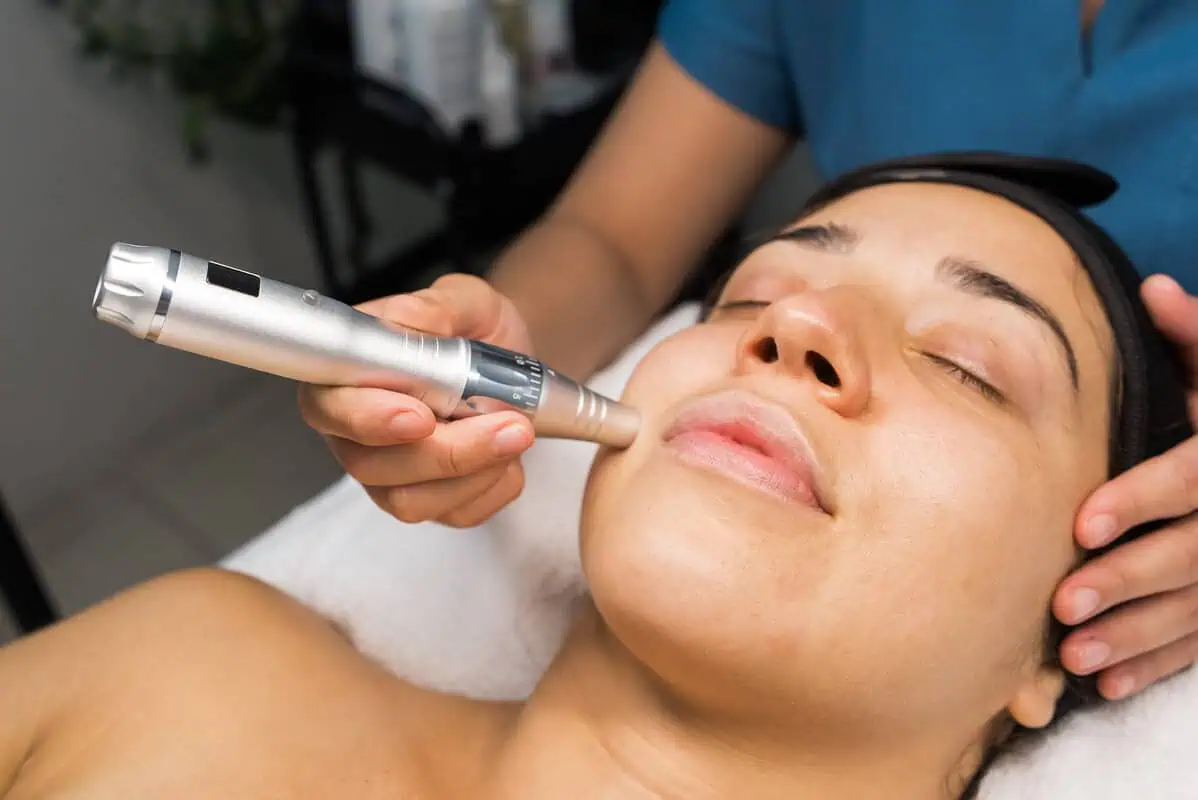
Dermaplane is a gentle exfoliating treatment that removes dead surface skin cells and fine facial hair with a specialized blade. Although simple, it can noticeably improve how smooth the skin looks and feels.
People often choose dermaplane when their skin feels dry, uneven, or rough to the touch. By clearing away surface buildup, the treatment can leave the complexion looking cleaner and more polished.
Dermaplane may also help makeup apply more evenly and allow skin care products to absorb more effectively.
Since it focuses on surface exfoliation, dermaplane is usually best for mild texture concerns and dullness rather than deeper pigmentation or scarring concerns.
Many patients combine dermaplane with facials or hydration-focused treatments for added skin support.
Hydrafacial for Hydration and Skin Clarity
Hydrafacial is designed to cleanse, exfoliate, extract impurities, and hydrate the skin in one session. It is often recommended for skin that appears dehydrated, congested, or fatigued.
Unlike treatments focused mainly on resurfacing, Hydrafacial also emphasizes hydration. This can be helpful when dullness is linked to dryness or compromised skin balance.
Hydrafacial may improve the appearance of:
- Dehydrated skin: Hydrafacial delivers hydration directly to the skin, helping it look smoother and more refreshed.
- Congested pores: The treatment includes gentle extraction to remove buildup that can make the skin appear dull or heavy.
- Mild roughness: Hydrafacial exfoliates the skin’s surface to improve softness and overall texture.
- Uneven texture: By combining cleansing, exfoliation, and hydration, Hydrafacial can help the skin appear more even and balanced.
- Tired–looking skin: Hydrafacial helps refresh the complexion by improving hydration and removing surface impurities that contribute to a fatigued appearance.
The treatment is generally comfortable and does not usually involve significant downtime, making it a practical option for regular skin maintenance.
How These Treatments Address Dull Skin Differently
Although chemical peels, dermaplane, and Hydrafacial can all improve skin brightness, each treatment works differently.
Chemical peels encourage exfoliation through professional solutions designed for different skin concerns. Dermaplane physically removes buildup from the skin’s surface. Hydrafacial combines exfoliation with cleansing, extraction, and hydration.
The right treatment often depends on the main cause of the dullness. Someone with dry skin may benefit from Hydrafacial, while rough texture may respond well to dermaplane. Uneven tone and mild discoloration may improve more with a chemical peel.
A provider may also recommend combining treatments over time as part of a broader skin rejuvenation plan.
Skin Rejuvenation Should Match Your Skin’s Needs
Effective skin rejuvenation is not about using the strongest treatment possible. A more balanced approach usually focuses on understanding the skin first.
Factors such as sensitivity, acne history, dryness, pigmentation, and sun exposure can all influence which treatments are most appropriate. Professional evaluation can help reduce unnecessary irritation and create a treatment plan that feels manageable and realistic.
Some people benefit from occasional maintenance treatments, while others may need a more structured schedule depending on their skin concerns and goals.
What to Expect Before and After Treatment
Before treatment, your provider will usually review your medical history, skin concerns, current products, and recent procedures. This helps determine which treatment is safest and most appropriate for your skin.
After treatment, your skin may need gentle care for several days. Sunscreen is especially important because exfoliated skin can become more sensitive to sunlight. Your provider may also recommend temporarily avoiding strong active ingredients depending on the treatment performed.
Daily skin care habits can also affect how long results last. Consistent hydration and sun protection help support smoother, healthier-looking skin between appointments.
Flawless Medicine Skin Treatments in Johnson City
For those looking for skin treatments in Johnson City, Flawless Medicine offers personalized care in a professional medical spa setting. The clinic provides modern treatments designed to support facial rejuvenation and overall skin health while tailoring recommendations to each patient’s needs.
The Flawless Medicine team combines advanced technology with experienced guidance to help patients explore treatment options that fit their goals and comfort level. Services include treatments for facial rejuvenation, body contouring, and other aesthetic procedures designed to improve skin appearance and confidence.
Learn More about our variety of skin treatments designed to refresh and revitalize your complexion.